In January 2026, the Federal Court of Appeal upheld the federal government’s decision to phase out open-net salmon farms in the Discovery Islands. The court dismissed an appeal by Mowi, the world’s number-one supplier of farmed Atlantic salmon.
The ruling reinforces the government’s authority to act cautiously when ecological risks are uncertain – a decision that will have major benefits for wild salmon, Indigenous communities, and the future of aquaculture in British Columbia.
The court’s decision
The case, Mowi Canada West Inc v Canada (Fisheries and Oceans), challenged the federal government’s 2020 decision not to renew salmon farm licences in the Discovery Islands.
Since 2020, aquaculture companies – led by Mowi – launched multiple appeals, winning some early procedural rulings.
The court has now ruled the fisheries minister has authority under the Fisheries Act to decline renewals and apply the precautionary principle, allowing protective action where activities could cause ecological harm. This marks a huge win for wild salmon and strengthens the legal footing for Canada’s planned 2029 phase-out of marine open-net salmon farming.
Joy for wild salmon returns
“My initial reaction was happiness – joy. I was very, very pleased that the decision to close the farms was upheld,” said ‘Na̱mg̱is hereditary Chief Ho’miskanis Don Svanvik in response to the ruling..
For Svanvik, the decision carries benefits far beyond feeding the community. “It’s almost a rite of passage, teaching work ethic, and all these intangibles that come with it,” he explained, highlighting how wild salmon have long shaped community traditions and a shared sense of responsibility across his nation.
He said the decision is straightforward. “We do have evidence, and fish farms are absolutely harmful to wild salmon.”
Still, he acknowledged that the legal fight may not be over: “There’s still concern because the industry has deep pockets.”
Precautionary principle
The ruling centers on the precautionary principle, letting regulators prevent serious environmental harm even without full scientific certainty. The Court confirmed ministers may act when risks include ecological collapse or impacts on Indigenous rights.
“It’s common sense that we be precautious, we shouldn’t be taking a chance,” Svanvik said. “We do have evidence.”
Svanvik said the Court’s reasoning reflects what many salmon-dependent communities have argued for years: “The one absolute in this whole context is that there’s no more fish farms in a significant portion of the outmigration route.”
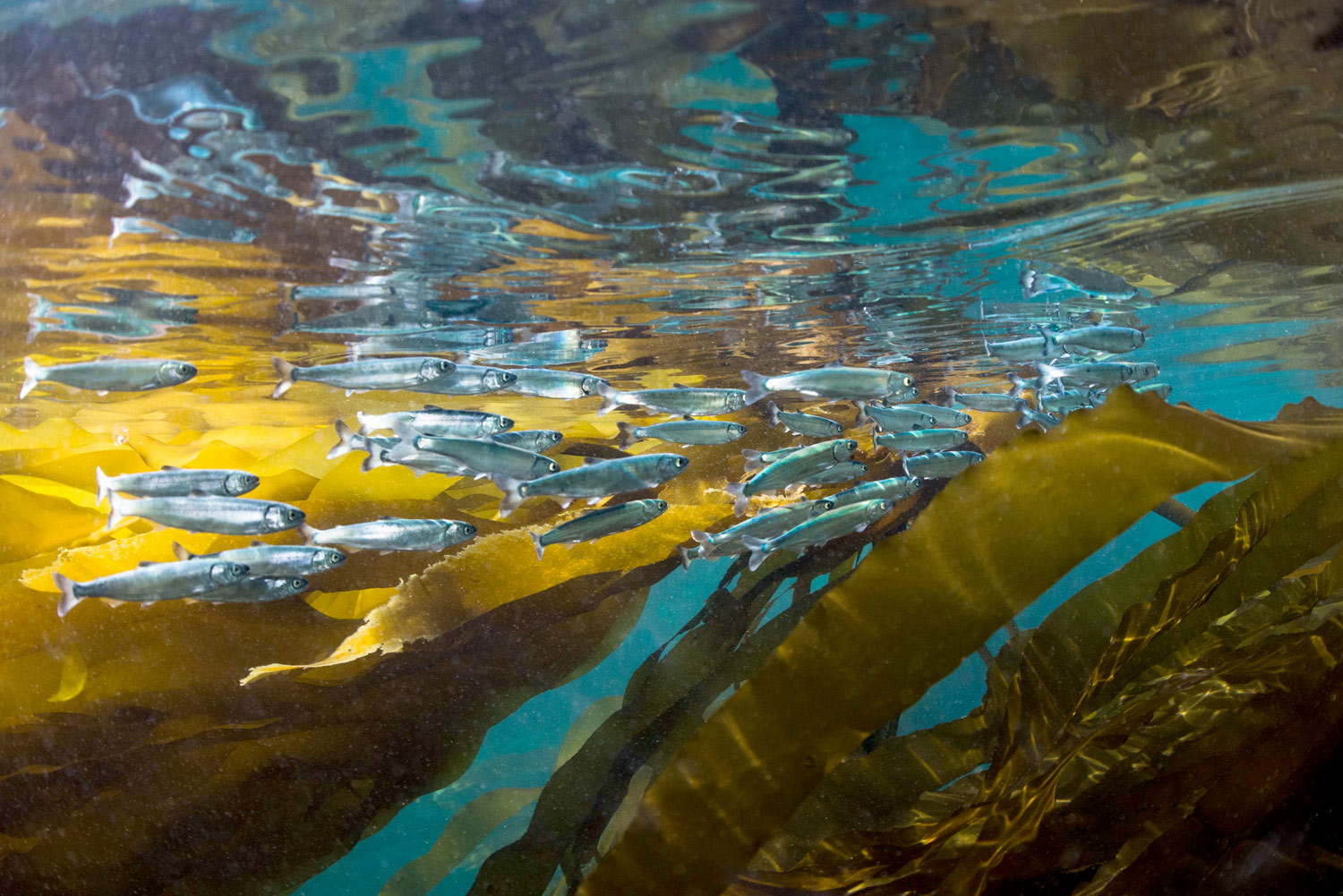
Discovery Islands smolts by Tavish Campbell, Clayoquot Action
In 2022 they expected 9,000 fish, but that expectation was doubled. “When last year’s fish went out, the farms weren’t there,” Svanvik said, “The baby sockeye were able to swim through the Discovery Islands in 2023 without the farms in the way, and they were able to come home.”
“It’s simple,” Svanvik explained. “More fish got out, so more fish came home – it’s incredible.”
“It’s not only the precautionary principle,” he added. “This is a principle of looking after the environment and looking after the species.”
“I don’t want to imagine what it would be like to have no more salmon, it would be devastating to the earth.”
Ecological context
The Discovery Islands are a maze of narrow waterways between northern Vancouver Island and the mainland, through which millions of juvenile Fraser River salmon migrate each spring along one of the Pacific coast’s most important routes. “The Discovery Islands are the passageway for all kinds of fish,” Svanvik said.
Studies show elevated levels of sea lice near open-net salmon pens in BC. “It was a labyrinth of fish farms where fish were trying to get through,” Svanvik said.
“In my lifetime, salmon came back like clockwork,” he recalled. “There was a time we had pretty much all the fish we needed.”
In recent decades, those predictable returns faded. “A few decades ago I remember saying we could wait until August to get all the fish we need,” he said. “We can’t say that anymore.”
For communities that rely on salmon, the changes have been profound. “It’s part of who we are,” Svanvik said. “We all have a responsibility to ensure the survival of wild salmon.”
Looking ahead
The benefits for wild salmon are already being felt and celebrated after the removal of the farms, with fish “coming back almost instantaneously,” Svanvik notes.
For Svanvik, the long-term goal is clear. “We’re stewards,” he said. “We have a responsibility to ensure there are salmon for us and our grandchildren.”
Looking ahead, he hopes wild salmon populations will recover to the levels he remembers from earlier decades. “Back in the seventies and eighties they came back like they had for millennia,” he said. “That’s what meaningful success would look like.”
Zannia Kidd (Zan) values more-than-human relations, collaborating through shared work connecting people, places, and waters.
pawa haiyupis is an environmentalist from the Ahousaht Nation. She is a consultant residing in unceded c̓uumʕas territory (Port Alberni).
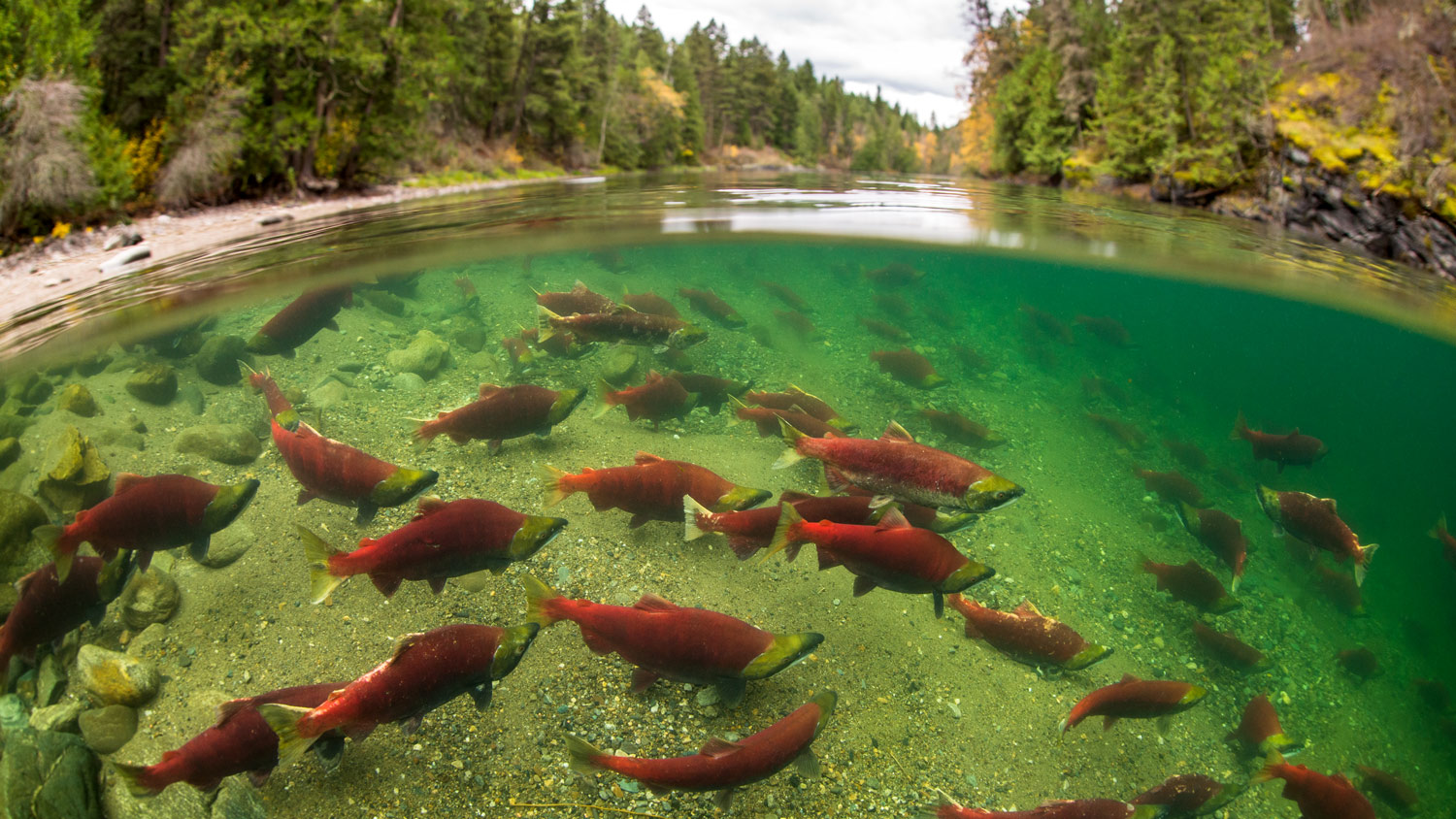
Feature image: Photo by Tavish Campbell, Clayoquot Action.