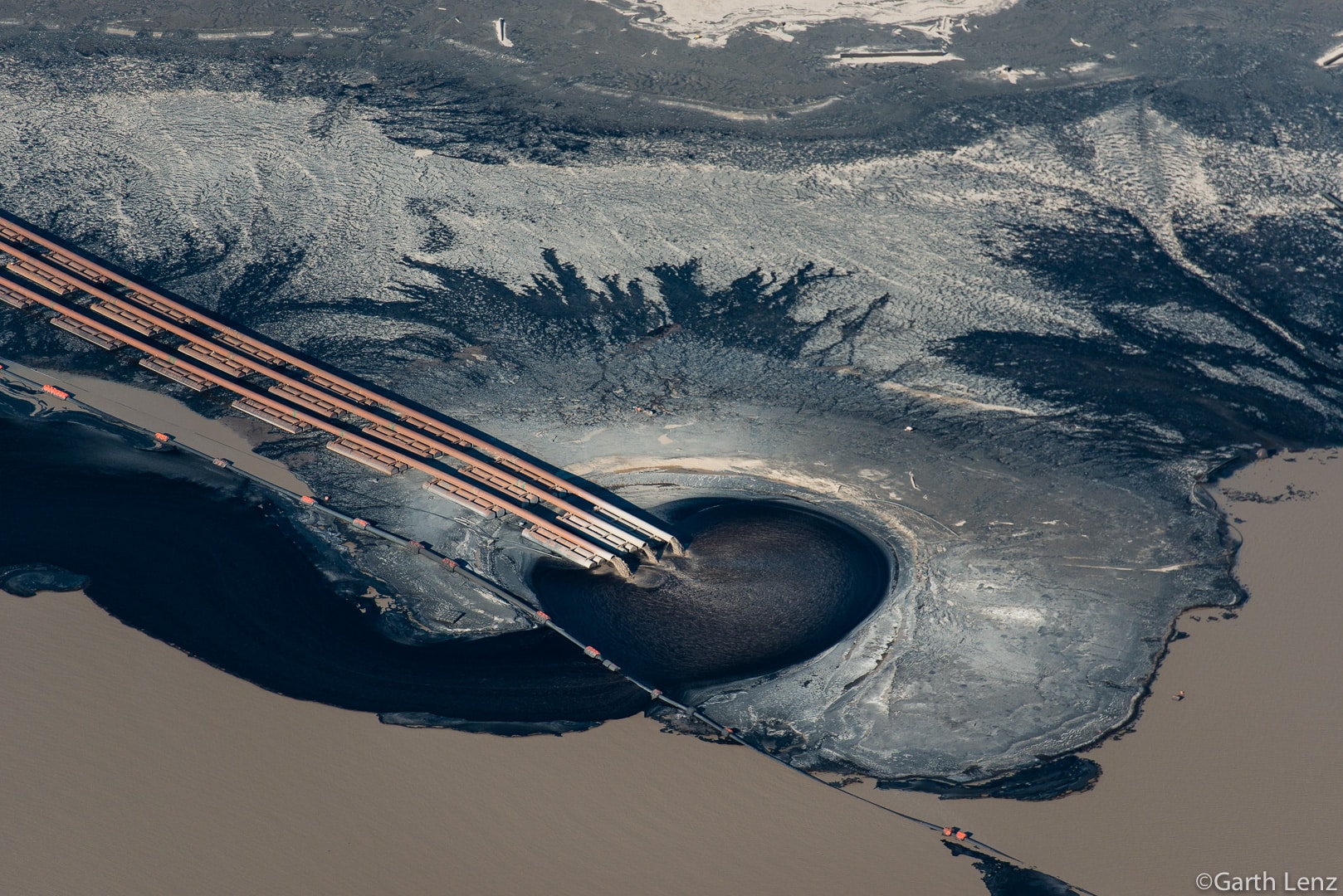
It only took two weeks for the Alberta Energy Regulator to decide that an environmental assessment is not required before Suncor Energy starts releasing millions of cubic metres of tar sands waste directly into the Athabasca River.
The public learned of the secretive decision months later when Canada’s National Observer obtained AER’s letter assuring Suncor that their tailings “treat-and-release” proposal is covered by a (still-unfinished) environmental assessment for a nearby mine expansion.
On October 2, the three governments of Fort Chipewyan – the Mikisew Cree First Nation, Athabasca Chipewyan Déné First Nation and Fort Chipewyan Métis Nation – put out a joint statement that begins with the Alberta Energy Regulator’s boast that it has “reduced the cumulative red tape” by almost one-quarter since 2019.
“The proponent gets to decide ‘there’ll be no impact’ and the regulator just says ‘OK, we believe you.’”
“This is a textbook example of an unreasonable decision,” said ACFN Chief Allan Adam in the statement. “The Alberta Energy Regulator didn’t even issue reasons. They simply accepted Suncor’s submission that there would be ‘no environmental issues or impacts’ from releasing 10 million cubic metres of treated tailings wastewater into the Athabasca every year. The proponent gets to decide ‘there’ll be no impact’ and the regulator just says ‘OK, we believe you,’” he said.
The Nations called it “deeply concerning” that this decision took the AER just 14 days. Its significance extends far beyond this one application, and “risks establishing a regulatory pathway by default.”
As the Nations point out, “other oil sands operators will be watching how regulators and government approach this.”
Health in the Delta
Mikisew Cree First Nation, Athabasca Chipewyan Déné First Nation, and Fort Chipewyan Métis Nation have raised concerns about the health of the Peace-Athabasca Delta and the cumulative impacts of upstream development for years.
Brandi Morin reports on her blog (www.indigenousinsider.substack.com, October 7, 2026): “The ponds are bursting at the seams. That is why industry is scrambling.” A Suncor director told reporters the wastewater “has to go someplace.”
Fort Chipewyan’s answer is that it has been going someplace for 50 years. The ponds seep; they always have. In 2023, the community learned Imperial Oil’s Kearl mine had been leaking tailings for nine months before anyone told them, followed by a 5.3-million-litre spill.
In April, then-Chief Billy-Joe Tuccaro of Mikisew Cree First Nation stood in Ottawa and presented findings from a health study his Nation commissioned. Between 1993 and 2022, cancer rates in Fort Chipewyan were about 25 per cent higher than the rest of Alberta. His Nation, he said, is talking seriously about relocation.
None of this is new. Dr. John O’Connor raised the alarm in 2006 about rare bile duct cancers showing up in this small population, but Health Canada accused him of causing undue alarm. The misconduct charge that followed was dismissed in 2009. A community-led health study, funded by Ottawa with nearly $12 million over ten years, is underway right now.
The Chiefs state: “We cannot allow the regulatory bar to be lowered for an activity that has risks of severe impacts for our people, but also potentially far-reaching consequences for the Athabasca River and Peace-Athabasca Delta.”
“Since 2016, the World Heritage Committee has requested that Canada do a systematic risk assessment of tailings management. That has never happened,” said President Ladouceur of the Fort Chipewyan Métis Nation. “Alberta’s model … would not be accepted in any other jurisdiction. This whole process is beginning to feel like kangaroo court.”
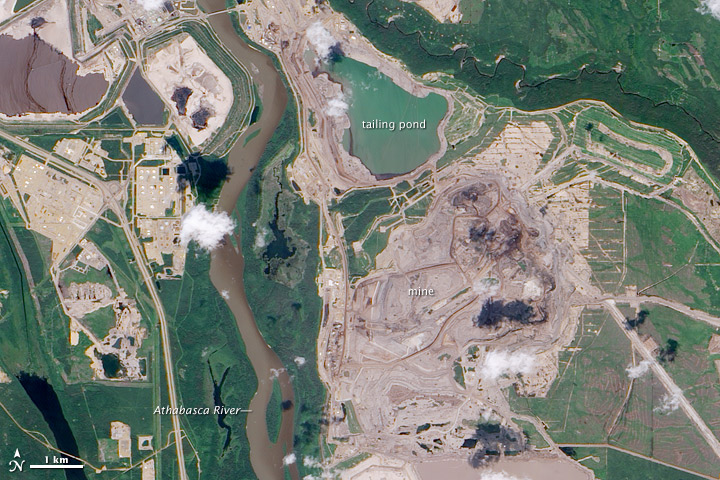
Athabasca River and tailings pond. Image by NASA Earth Observatory

