Back in May 2023, my small Métis community of around 300 people, East Prairie Métis Settlement, was devastated by a wildfire.
Located in Treaty 8 territory, our community – also known as Pahkan-Wacis in Cree – is rural and has only one highway in and out. The Grizzly Complex fire was actually three fires that converged on my community. East Prairie burned for weeks, leading to an 80% loss of our forest and 14 families left houseless.
As Indigenous people, our connection to the land is immeasurably vast. The forest is not just the backdrop to our lives, but instead, an extension of our relations, of ourselves, our Wahkohtowin.
To lose 80% of our forest is to devastate generations of my community. We hunt, pick berries, and gather medicines in the forest. Our children and young ones learn how to hunt, trap, snare, and live in relationship with our four-legged relatives in the forest. Many of our stories begin and end with the forest.
Colonialism has caused immeasurable ecological loss
This kind of climate trauma echoes through an alarming number of Indigenous communities. In 2025, more than 45,000 people from 73 First Nations were evacuated from their communities due to the risks posed by wildfires, and one in seven First Nations were impacted by wildfires. Considering that more than 480 Indigenous communities reside within the boreal forest, these figures are expected to rise as our winters become shorter and summers get hotter and drier.
So, where do beavers fit into all of this?
Beavers and wildfire mitigation
To the colonial eye, there isn’t much to beavers beside their proclivity to build dams that seemingly disrupt ecosystems and damage private land.
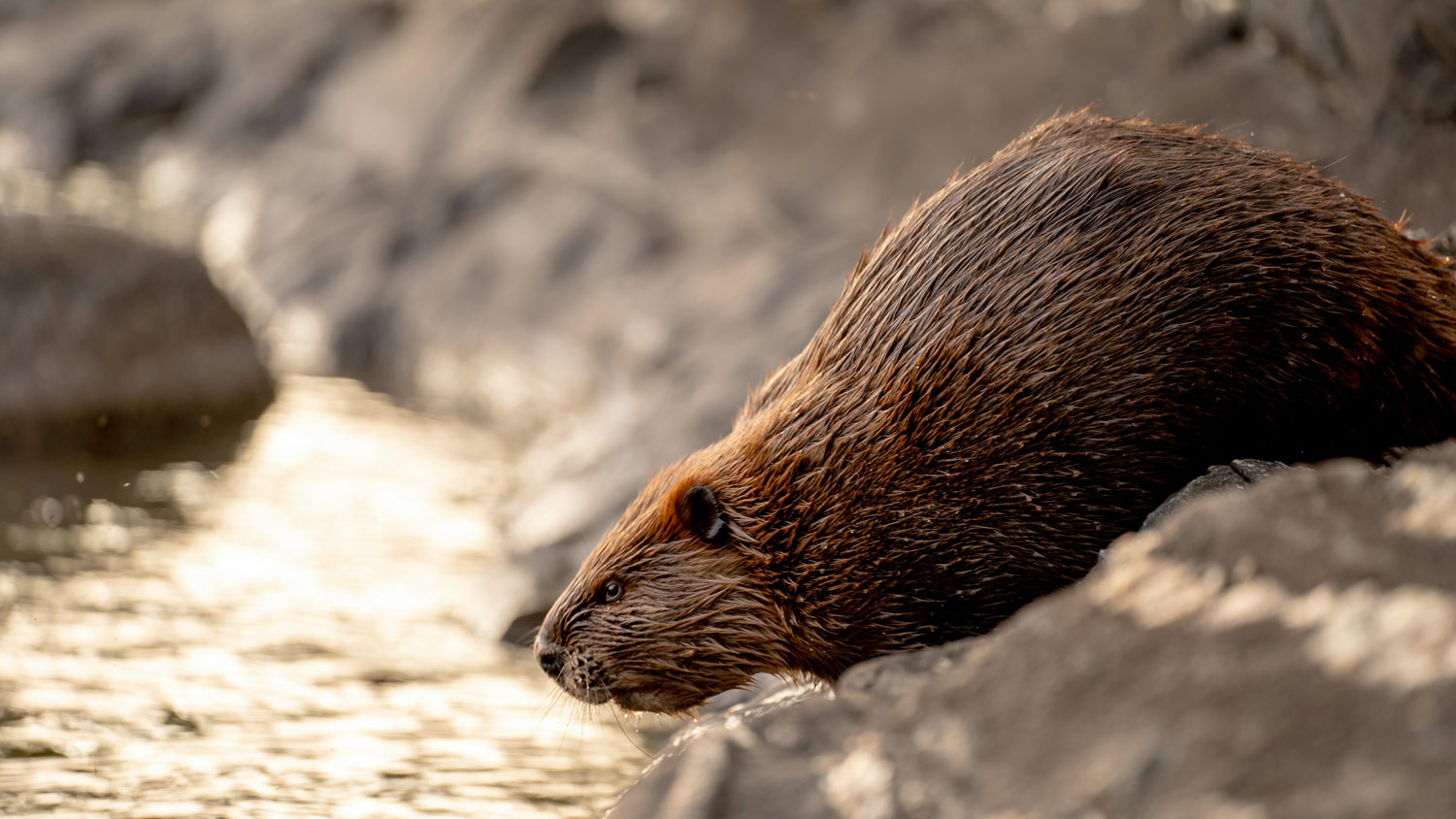
However, for many Indigenous groups, like the Cree, beavers are heralded as wise creatures. Their long front teeth teach us how we are supposed to use our gifts for the betterment of the community. Beavers need to use their teeth to chew wood, drag lumber, and build dams, or their long incisors become overgrown and a nuisance. By doing so, they serve other plants and animals while stewarding the density of surrounding forests.
For scientists, beavers are marvelous engineers – their dam systems lengthen the amount of time minerals and water stay in an area, which improves water quality, increases carbon storage capacity, and nurtures lush vegetation that remains green, even in times of drought. The wetlands they create host a myriad of creatures by increasing habitat complexity and biodiversity.
Beavers’ long front teeth teach us how we are supposed to use our gifts for the betterment of the community.
When beavers build dams, they’re not just plugging up waterways. Instead, they are transforming the entire hydrological system, creating networks of underground canals that feed and thoroughly hydrate the surrounding land.
Fire takes the path of least resistance –while it will jump over a stream, it won’t burn through wetlands. These create natural firebreaks within forests, which mitigate the spread and lessen the overall severity of wildfires. Not to mention that the work of beavers in clearing trees for their dams thins out dense brush, slowing the spread of wildfire. Lastly, beaver wetlands provide a refuge for wildlife escaping from the heat and flames.
The sheer impact of beavers and their ability to build dynamic ecosystems begs the question: how have these ecological giants flown under the radar for so long?
Just as colonial tactics to starve out Indigenous groups led to the decimation of bison herds, the introduction of capitalist monopolized trade via the fur trade led to the eradication of beaver populations in North America. Colonialism has caused immeasurable ecological loss that is largely understudied – before we could study the impacts of beavers and bison in their natural habitats, they were gone or deemed insignificant.
Beavers against climate change
After the wildfire, I was told that the forest would recover when the Beaver Clan returned – and later, as a climate activist and writer, I found echoes of this sentiment in my research. The same benefits of beaver engineering that foster lush, green vegetation also enhance climate resilience.
After fires, scorched soil can become hydrophobic, which prevents water from sinking into the water table while increasing the amount of runoff and sediments flowing downstream. This degrades water quality and can lead to fish and aquatic plant populations dying off. However, when dams are present, they act as filters, catching debris and minimizing the amount of sediment and pollutants moving downstream.
This does not mean every fire-impacted landscape should be retrofitted with a dam. Beavers belong in specific areas.
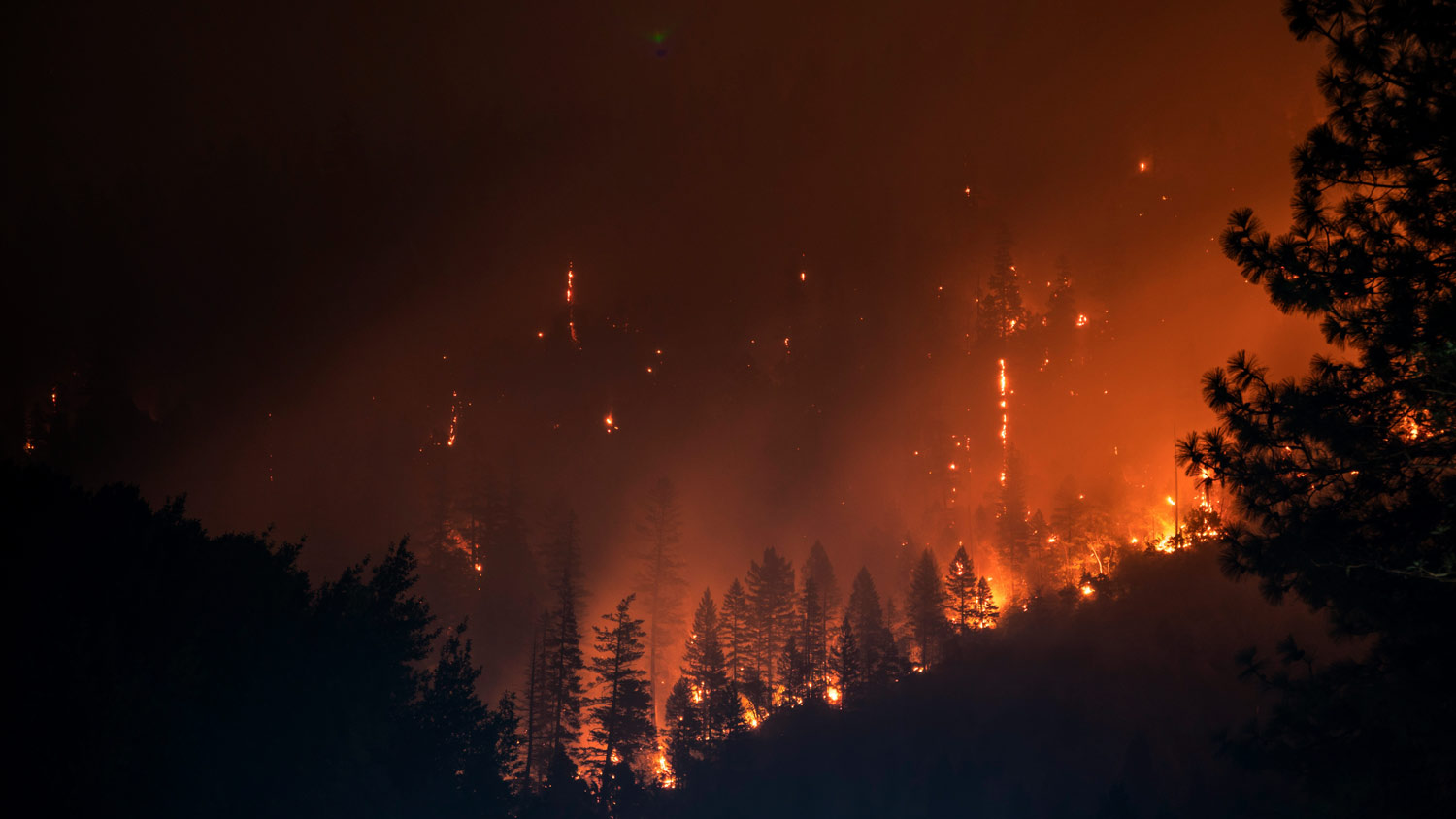
Wildfire by Matt Howard /Unsplash
This is where Indigenous knowledge comes into play. Hearing our stories and knowledge around beavers – their roles and where they live – helps inform where beaver populations should be restored and where they shouldn’t. Indigenous people are scientists whose catalogue of observations has been collected and refined over millennia, passed down generation to generation through oral storytelling practices.
We have a few beaver dams and wetlands in East Prairie, and I can’t help but wonder at how interconnected their dam systems would be if the fur trade hadn’t decimated 95% of their population.
While I doubt beavers would have necessarily saved all of our forest or prevented the destruction of fourteen family homes in my community, I do believe they could have greatly minimized the widespread devastation of the fire, which was exacerbated by drought-like conditions following a short winter.
Based in Edmonton, Britney Supernault (Cree Nomad) is a writer, climate activist, social media personality, and author of the Amazon bestseller Hey June. www.thecreenomad.com