Huaynakana Kamatahuara Kana, a Kukama women’s federation in the lower Marañón Valley, Peru, has filed a groundbreaking legal action demanding that the Peruvian government recognize their river as a legal person, or “Ser Vivo” (Living Being). A coalition of national and international organizations including the Institute for Legal Defense, International Rivers, and the Earth Law Center are providing legal aid and support. A coalition of Canadian lawyers and academics have presented an amicus curiae in defense of the petition.
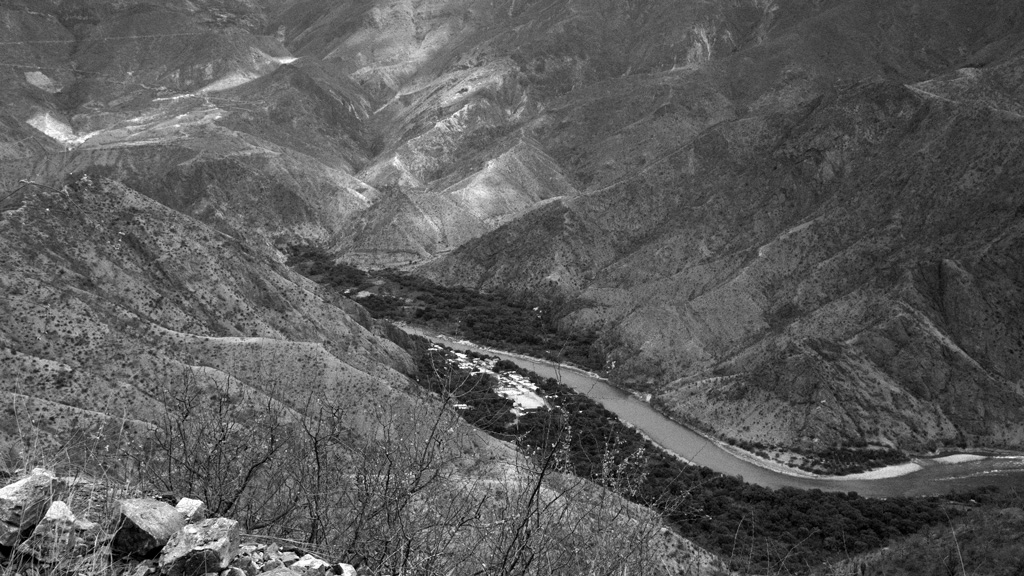
For many Indigenous people like the Kukamas, their rivers are living beings with rights that should be recognized and protected. The Marañón River is the source of food, water, and transportation for the Kukama people; it is also the center of their spiritual universe. After watching their river suffer contamination over decades, especially from systemic oil spills that have destroyed its fragile ecosystem and fisheries, the Kukama women decided to take legal action.
On September 8, the women’s federation and their lawyers filed a legal action in a Peruvian court to have their river recognized as a legal person. The petition accuses various government entities of violating the fundamental rights of the Marañón River, including Petroperú, the state-run oil company, the Ministry of the Environment, and the Ministry of Energy and Mining.
“We do not live on money. We live from what we grow on our land and our fishing. We can not live without fish.”
—Isabel Murayari, Board Member, Huaynakana Kamatahuara Kana
The Kukama women are asking for recognition of specific rights for the Marañón River including: the right to exist, to flow, to live free from contamination, to feed and be fed by its tributaries, and to be protected, preserved, and restored.
These rights are in accordance with the Universal Declaration of the Rights of Rivers. Growing comparative jurisprudence worldwide, such as Colombia’s Atrato River, New Zealand’s Whanganui River and Canada’s Magpie River, is providing rights for rivers.
Huaynakana was founded in 2001 to promote the rights of Kukama-Kukamiria women and protect their environment and culture. The federation represents women from 28 Indigenous communities in the district of Parinari on the Marañón River in Peru’s northern Amazon region.
Canadian lawyers and academics from three universities filed an amicus curiae in the Peruvian court on September 29 to support Huaynakana’s lawsuit. The document shows how various provincial governments have recognized the right of Indigenous people to manage their own resources. The amicus describes the growing importance of Indigenous law within the environmental impact assessment process in Canada.
Huaynakana’s members say their river must also be protected because of its cultural and spiritual value. Huaynakana Board Member Isabel Murayari adds that the women filed their legal action to protect the river for their children and grandchildren.
The lawsuit also calls on Petroperú to carry out maintenance and repairs on its leaky North Peruvian Pipeline, and for the establishment of local river basin management committees to ensure the participation of Indigenous people in the administration and conservation of their water resources.